A Murder To Escape Prison Life: Florida Execution Sparks Renewed Deterrence DebateWendy Vasquez Mon, October 12, 2026 at 12:33 PM UTC

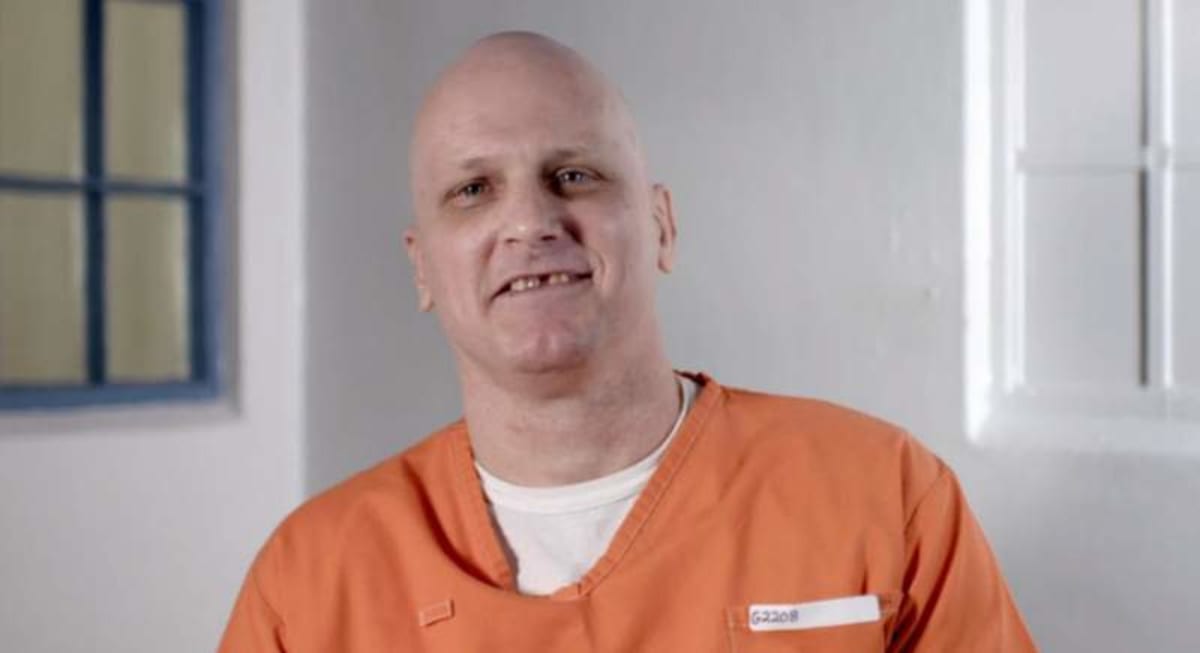
James Robertson (IMDB)Florida is scheduled to execute 63-year-old James Robertson at noon on Tuesday at Florida State Prison in Starke, carrying out a sentence that advocacy groups and legal observers note directly intersects with the debate over whether capital punishment acts as a deterrent. Robertson admitted to killing his cellmate specifically to trade harsh prison conditions for death row and secure capital punishment.
Florida is scheduled to execute 63-year-old James Robertson at noon on Tuesday at Florida State Prison in Starke, carrying out a sentence that advocacy groups and legal observers note directly intersects with the debate over whether capital punishment acts as a deterrent.
Robertson admitted to killing his cellmate specifically to trade harsh prison conditions for death row and secure capital punishment. His lethal injection will proceed after Gov. Ron DeSantis withdrew the death warrant for a second inmate, William Lee Thompson, who had been scheduled to die later that same evening. If completed, Robertson will be the 17th person executed in Florida in 2026.
Robertson was arrested before turning 18 and spent his entire adult life in Florida prisons serving sentences for burglary, assault, and attempted murder. His projected release date was 2038. On Dec. 10, 2008, while housed in a close-management unit at Charlotte Correctional Institution, Robertson attacked his sleeping cellmate, Frank Hart, suffocating him with a makeshift garrote fashioned from tied-together socks.
Robertson later confirmed his motive to prison officials and investigators, stating, “I killed my cellmate because I wanted the better jailhouse conditions on death row.”
Attorney General James Uthmeier documented Robertson’s confession in a letter to DeSantis regarding the case.
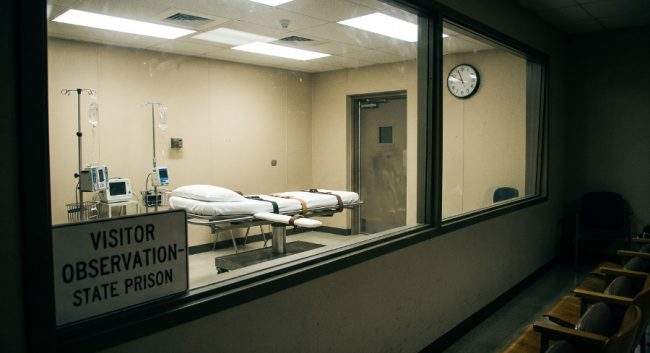
Execution Chamber
“According to Robertson’s admissions, there was no provocation or fight that led to the murder,” Uthmeier wrote. “Robertson stated that he murdered his cellmate so that he would be charged with first-degree murder and be sentenced to death.”
Following the killing, Robertson sent a letter to the State Attorney’s Office stating the murder was premeditated and requesting capital punishment. Prosecutors initially offered a plea agreement for second-degree murder with a life sentence, but Robertson declined the deal. He waived a jury sentencing recommendation and the presentation of mitigating evidence, pleaded guilty to first-degree murder, and received the death sentence on Dec. 18, 2012.
Although Robertson attempted to waive his direct appeal, the Florida Supreme Court conducted its mandatory statutory review and affirmed the conviction and sentence in March 2016. Robertson subsequently declined to pursue post-conviction appeals, leaving his execution uncontested.
Death penalty opponents, led by Floridians for Alternatives to the Death Penalty (FADP), plan to hold vigils across the state on Tuesday. The organization argues that Robertson’s case highlights instances where the existence of capital punishment creates an incentive for fatal violence rather than preventing it.
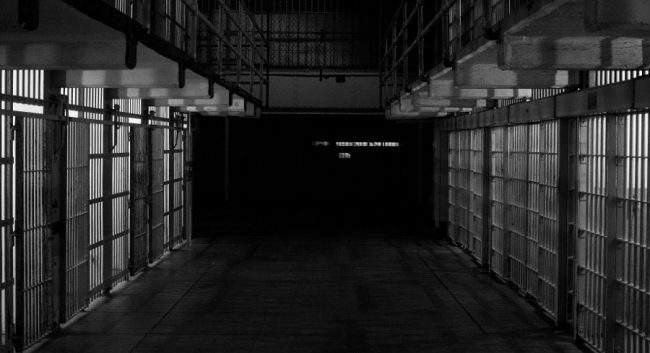
Jail (Unsplash)
A 1999 study in the Journal of Criminal Justice titled “The Psychology of Suicide-Murder and the Death Penalty” examined this pattern, identifying at least 22 suspected cases of “homicide as suicide” since the reinstatement of the death penalty in 1976. The researchers wrote that in such instances of externally inflicted suicide, “there is a danger in even just having the death penalty on the statute book in a state.”
“Frank Hart deserved to be safe in state custody, and his loved ones deserve our compassion,” said Maria DeLiberato, Legal and Policy Director of FADP. “When someone commits murder to try to secure his own execution, we have to confront the conditions that contributed to that decision and the reality that the existence of the death penalty may have caused the very violence it purportedly prevents. Florida has a responsibility to protect the people in its prisons and address the despair that can put their lives, and the lives of others, at risk.”
Robertson’s execution remains set following DeSantis’s decision on Oct. 8 to withdraw Thompson’s death warrant without formal explanation. Thompson’s warrant was pulled after a competency evaluation, court proceedings regarding medical care, and petitions from more than 120 medical professionals. While Thompson’s execution was canceled, his underlying death sentence remains in place.
Robertson’s death warrant, signed by DeSantis on Oct. 1, remains in effect for Tuesday.
READ: Lake Wales Woman Out On Bond Back Behind Bars After Scuffle With Polk County Deputies
Please make a small donation to the Tampa Free Press to help sustain independent journalism. Your contribution enables us to continue delivering high-quality, local, and national news coverage.
Sign up: Subscribe to our free newsletter for a curated selection of top stories delivered straight to your inbox.
A Murder To Escape Prison Life: Florida Execution Sparks Renewed Deterrence Debate
Source: Crime



0 Comments